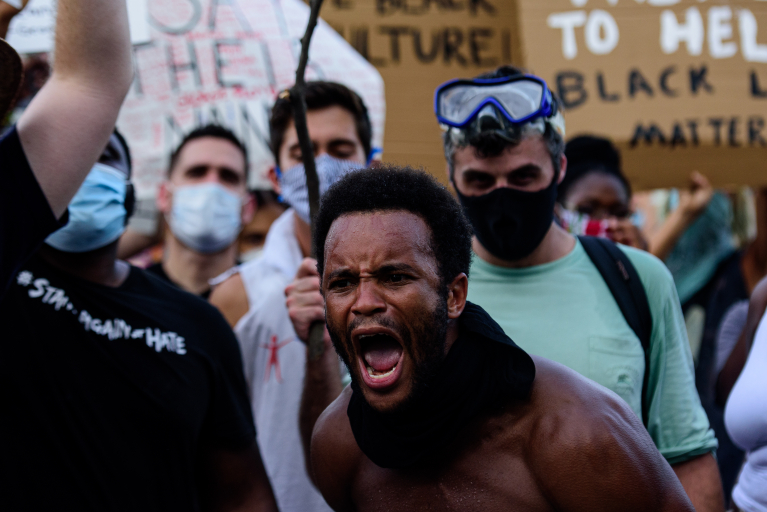

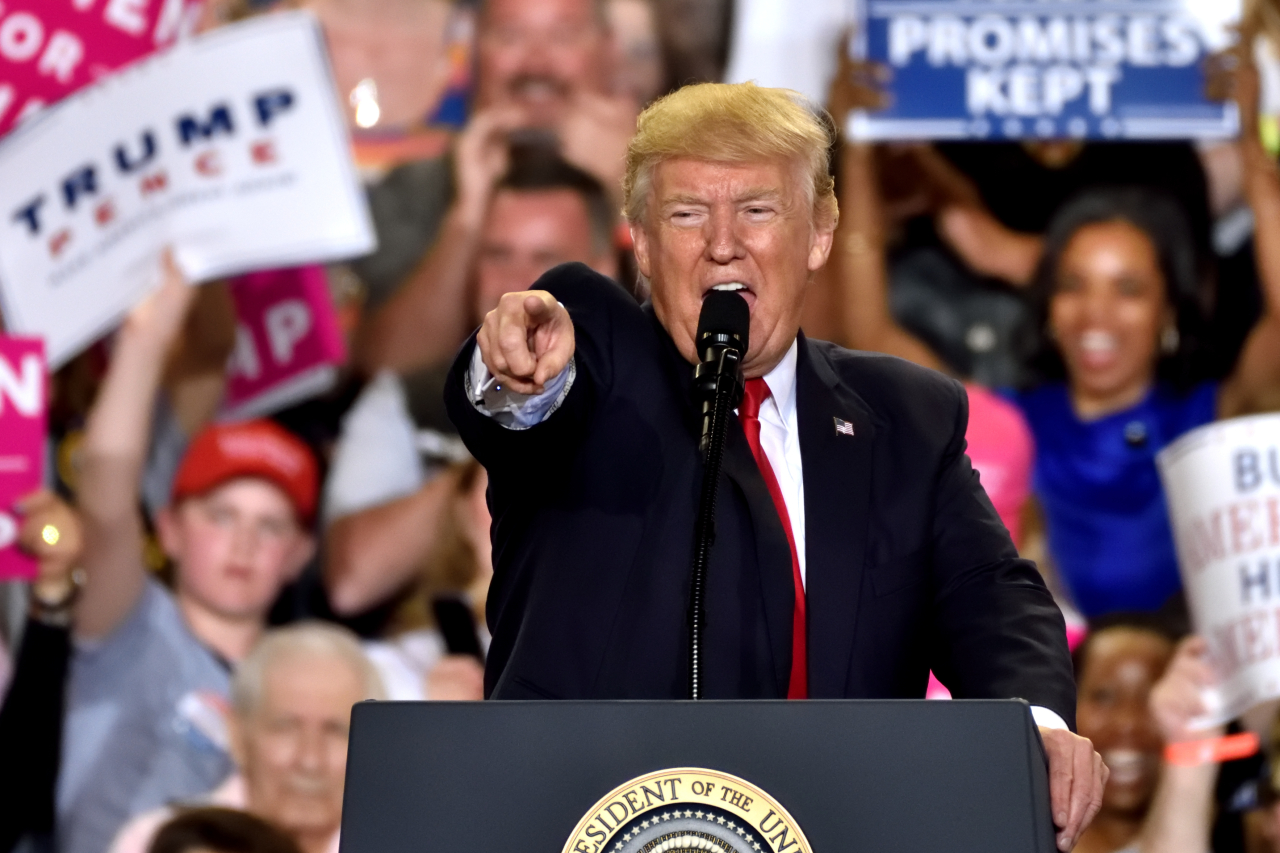

Aggressiveness in political communication is not merely an emotional outburst; rather, it represents a well-defined, recurring, and deliberate strategy composed of several elements.
At its core is a worldview framed as a struggle between good and evil, in which “ordinary honest people” are positioned against a “corrupt elite.” Within this simplified narrative, political and economic elites are portrayed as the sole source of all social problems, and their removal is presented as the necessary condition for social peace. This framework is often reinforced by conspiracy theories suggesting that a small group is working behind the scenes against the interests of ordinary people. Research on this topic has shown that messages employing such veiled threats can be far more effective than conventional political arguments in mobilizing voters, while also intensifying polarization and deepening hostility between opposing groups.
Rational arguments are gradually replaced by dramatic narratives that appeal less to rational reasoning and more to emotional responses, particularly anger and anxiety. According to the literature, when politicians use emotionally charged speeches to construct scapegoats, they use a technique known as “emotionalized blame attribution.” The goal is to redirect social frustration toward an external enemy. thereby absolving themselves of personal responsibility. In many cases, the purpose of extreme, inflammatory statements is not to alter public attitudes, but rather to signal credibility to one’s own supporters by demonstrating uncompromising opposition to political rivals. Such communication is often expressed through exaggerated, demagogic, and figurative language, which further intensifies the personal character of the message, amplifies emotional responses, and deepens divisions between opposing camps.
However, the question remains: why do politicians adopt such a confrontational, aggressive style rather than a more restrained, policy-oriented approach? One explanation lies in the logic of the modern media ecosystem. Social media algorithms explicitly reward negative emotional content, as messages expressing anger and fear generate higher levels of engagement – such as likes, shares, and comments – than more measured contents. Therefore, in many cases, politicians’ use of anger can be understood as a deliberate attempt to adapt their communication to the logic of social media. Moreover, research also suggests that different platforms encourage different communication strategies in pursuit of higher engagement. While messages that incite anger appears particularly effective on Facebook and X, more visually oriented environments such as TikTok often favor a combination of more positive emotions, such as hope, with a narrative of victimhood.
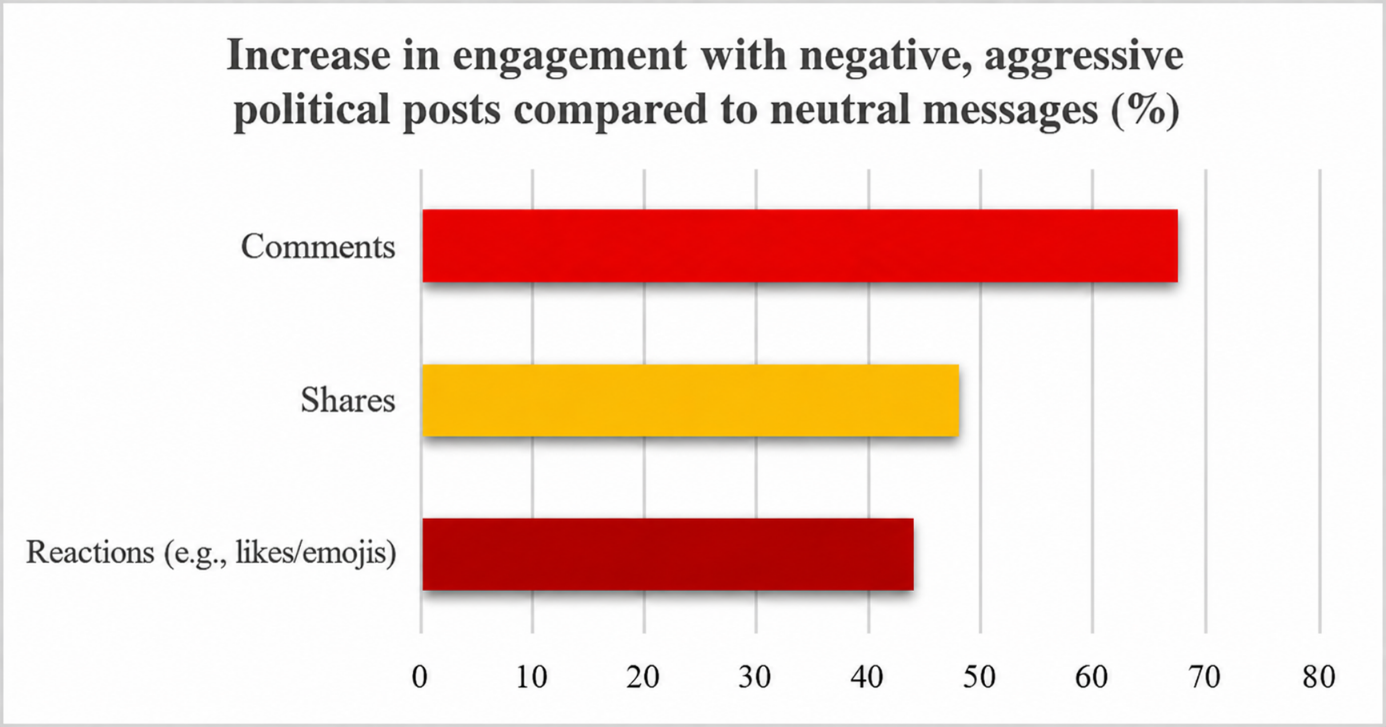
Data based on a 2020 study by Hameleers et al. examining politicians' social media communication
To an outside observer, this ongoing verbal confrontation may seem counterproductive. Numerous studies have shown that inflammatory rhetoric can have a boomerang effect among undecided or moderate voters by reducing the likelihood of persuasion and damaging a politician’s reputation. If such communication alienates moderate people, why do more and more politicians around the world continue to adopt it?
The answer lies in a paradox of political marketing: this aggressive style is not intended to persuade opponents or win over undecided voters. Rather, its purpose is to maximize emotional mobilization and radicalize its existing base. This carefully calibrated communication reinforces the perception that political rivals are not simply opponents with differing views, but fundamentally malicious, despicable adversaries of one another. When political disagreement turns into personal animosity and individuals become unwilling even to speak with supporters of the opposing parties – this visceral and deep-seated emotional divide – known as affective polarization – can become a powerful force sustaining partisan loyalty, thereby challenging the assumptions of the median voter theory.
Therefore, the politician angrily pounding the podium has not lost control. On the contrary, he knows perfectly well what he is doing and why.