

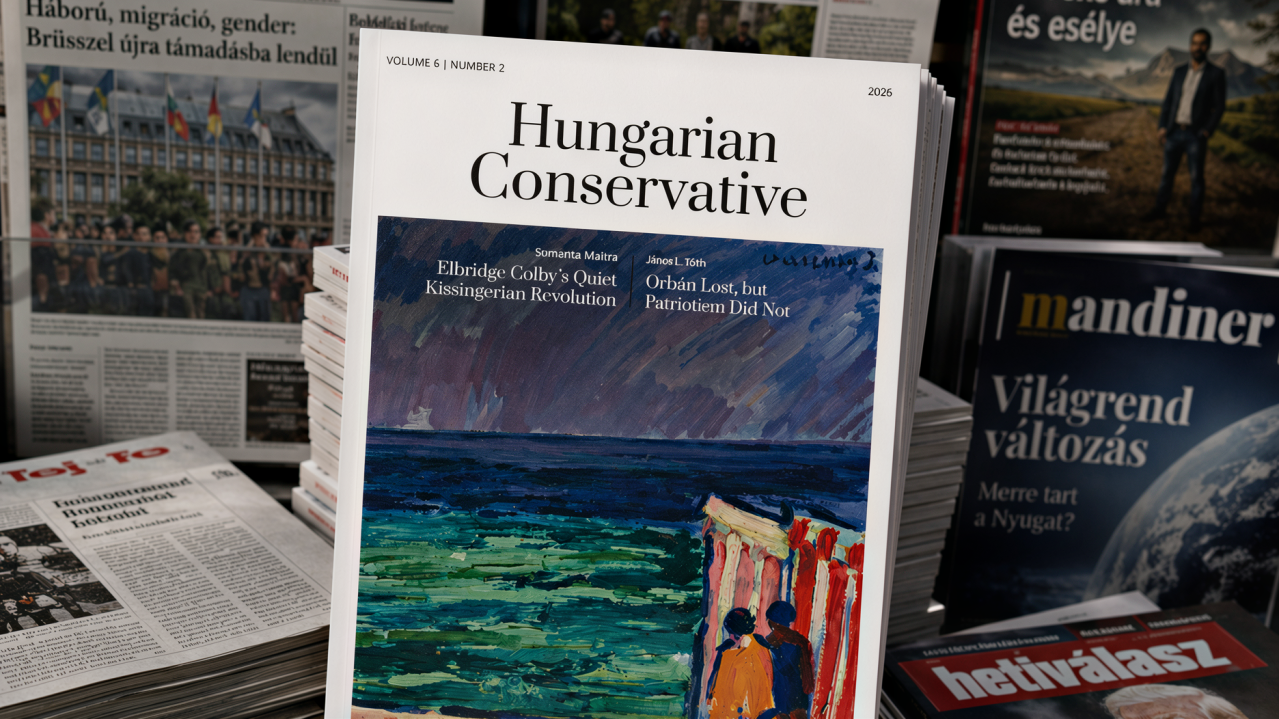

Are the differences between the two countries truly as profound as European political debates often suggest? These are the questions explored in the study. This summary is based on the author's article, The Harshest Critics of the Elks Used to Be Elks Themselves!, published in Volume 6, Issue 2 of Hungarian Conservative.
The analysis argues that many of the criticisms directed at Hungary reveal at least as much about political and social debates in Germany as they do about Hungary itself. The author examines ten recurring areas of contention, including democracy, the rule of law, freedom of the press, migration, minority policy, and the electoral system, all of which frequently feature in political discussions between the two countries.
According to Bauer, the differences between Hungarian and German conservatism extend beyond public policy and reflect fundamentally different historical experiences and political traditions. He contends that several of the criticisms aimed at Hungary are shaped by double standards or by the dynamics of Germany's own domestic political discourse. As a result, the article offers not only an assessment of Hungarian politics but also an insight into Germany's political culture and self perception.
The author also highlights that certain elements of Hungary's governance, particularly its family policy, migration management, security policy, and work based approach to society, deserve attention in an international context. The study concludes that many Western European debates about Hungary ultimately reflect Germany's own identity and value debates, making an understanding of both countries' political and historical contexts essential for a more balanced dialogue.