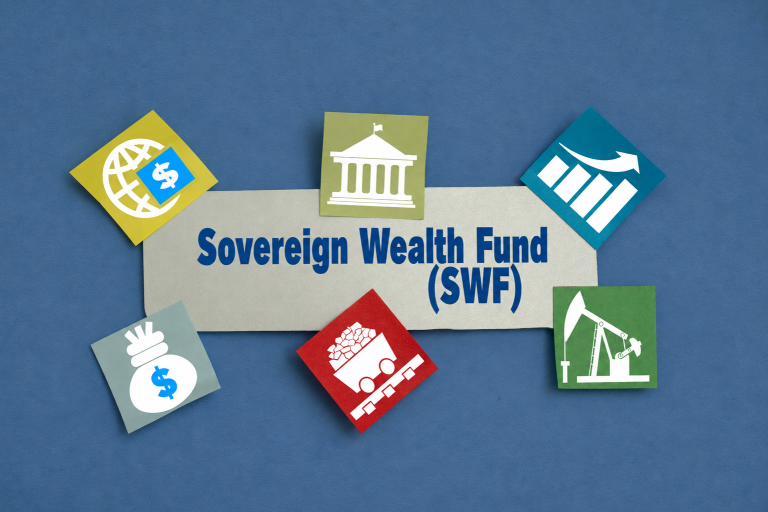

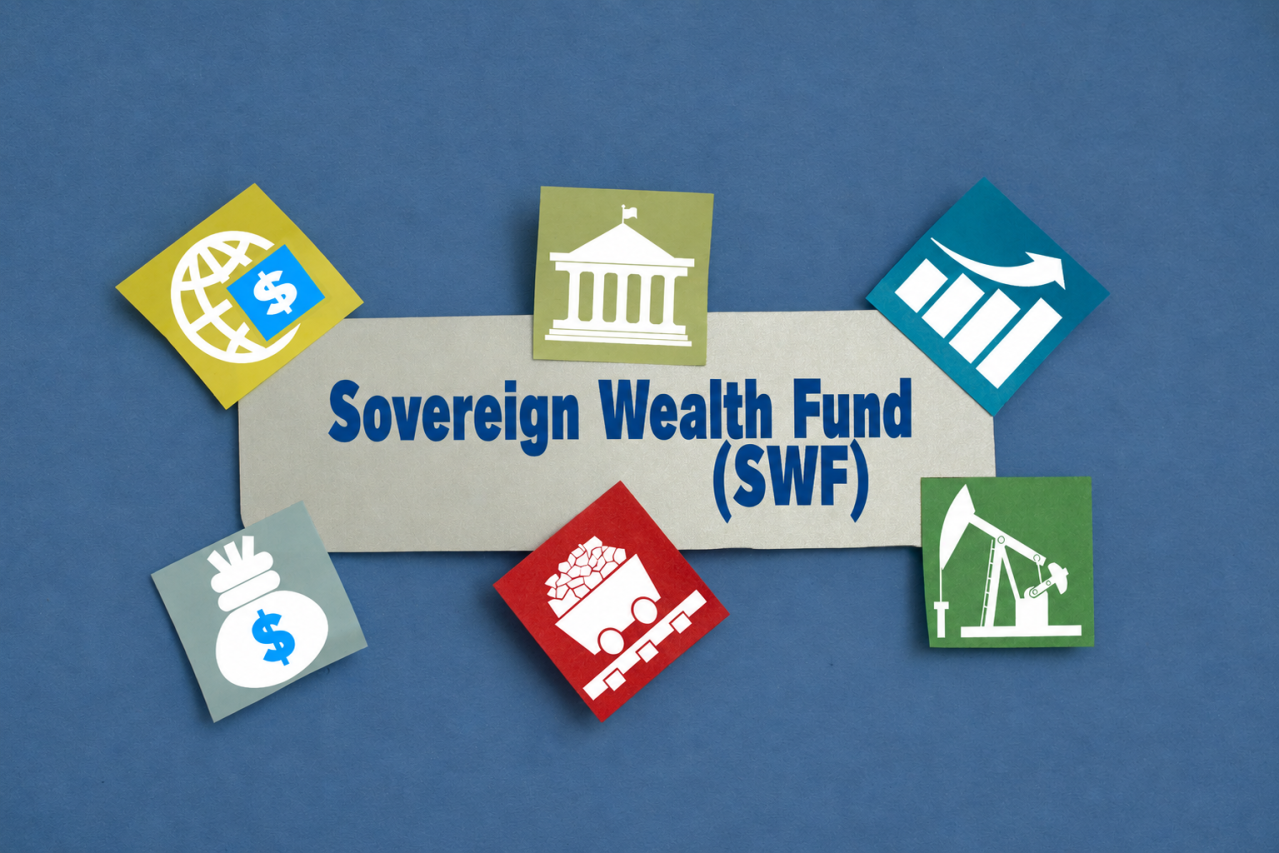

The assets of sovereign wealth funds may come from multiple sources. The best-known funds were established using oil and natural gas revenues, but sustained foreign trade surpluses, accumulated foreign exchange reserves, privatization proceeds, and profits from state-owned enterprises can also provide the initial capital. The common thread is that the government sets aside surplus revenue – or anticipates future revenue – that it does not necessarily need to spend immediately.
This is particularly important for countries that export raw materials. When a country extracts and sells oil from its natural reserves, it converts an existing natural resource into financial income rather than creating new wealth. If the entire revenue is spent in the short term, the resulting wealth will disappear as the country’s raw materials are depleted. If, on the other hand, the income is invested in stocks, bonds, and other financial instruments, financial assets that generate returns over the long term can gradually replace the depleting natural resource.
Furthermore, spending revenue immediately can cause problems even in the short term. Commodity prices can fluctuate sharply, so government spending based on exceptionally high revenues may become unsustainable when prices fall. In addition, a sudden influx of money into the economy can fuel inflation, drive up wages and real estate prices, and undermine the competitiveness of other export sectors. A sovereign wealth fund can therefore accumulate surpluses during favorable periods and gradually compensate for lost revenue during a downturn.
It is important to note that different sovereign wealth funds may serve different purposes. Stabilization funds use liquid and safe assets to cushion fiscal shocks; savings funds preserve wealth over several decades; and economic development funds can support investment in strategic sectors. Their performance, therefore, cannot be assessed according to the same criteria.
The rise of sovereign wealth funds is also transforming global capital markets. Central bank foreign exchange reserves are traditionally held in liquid and relatively safe government bonds. A long-term wealth fund, on the other hand, does not need to be able to liquidate all of its investments at any time, allowing it to invest in stocks, corporate bonds, real estate, and alternative assets in pursuit of higher returns. According to research by Beck and Fidora, this shift could reduce the dominance of major reserve currencies and the government bonds issued in those currencies, while allowing more public capital to flow into global markets and emerging economies.
Given their long-term investment horizon, these funds can even play a stabilizing role. They are not subject to investor withdrawals, so even during periods of market panic, they are not automatically forced to sell assets. However, this does not mean that all government investments automatically generate value. According to Alhashel’s literature review, the emergence of sovereign wealth funds is often viewed favorably by investors in target companies in the short term; however, their impact on long-term performance has produced mixed results. Many investors consider the government to be a poor owner, so companies in which the government holds a stake may be viewed more negatively by the market. It is important to note, however, that although the research identifies economic rather than political motivations, the issue of transparency remains unavoidable in the context of state ownership.
A country can hold investment assets and public debt at the same time, while financing a budget deficit and assuming future pension obligations. According to IMF researchers, a sovereign wealth fund should be treated as part of the government’s overall balance sheet. If a country takes on debt at high interest rates while accumulating savings in risky assets, it is essentially investing with borrowed money. The rationale for such a strategy can only be assessed by considering the expected return, the cost of financing, and the associated risk together.
National wealth is truly created when, alongside investment, public debt, fiscal risks, and the rules governing withdrawals are also managed sustainably. The success of a sovereign wealth fund ultimately depends on whether it can convert current revenues into lasting assets for future generations.